As conversations continue about the future of schools and long-range planning in Randolph County, many residents have asked for clarity about school bonds and excess levies. These are two very different funding tools. Each serves its own purpose, and each is shaped by state law. Understanding these differences is essential for making informed decisions as a community.
A school bond focuses on major construction and renovation projects. This includes building new schools, addressing HVAC systems, replacing roofs, upgrading electrical service, improving safety systems, and adding new athletic or instructional spaces. West Virginia Code § 13-1-14 sets a maximum repayment period of thirty-four years. Payments must begin within three years and follow a steady annual or semiannual schedule, as required by West Virginia Code § 13-1-15. Even when a bond is refinanced, the repayment period cannot exceed 34 years under West Virginia Code § 13-2-2. These requirements ensure that long-term investments in school buildings remain financially responsible and aligned with the facilities' useful lives.
An excess levy serves a very different purpose. A levy provides short-term operational funding that supports daily instruction and student needs. These funds can be used for staffing, instructional materials, student safety measures, technology, transportation, maintenance, extracurricular activities, and other operational priorities. A levy can last up to five years and must be renewed by voters. It does not create long-term debt and does not fund major construction projects.
A simple way to understand the difference is this. A bond builds or significantly upgrades a school. A levy helps operate the school once it is built. A bond is about long-term physical infrastructure. A levy is about educational programs, staffing, and student services.
Accountability applies to both funding tools. When a bond is approved, the county board must follow the exact purposes listed on the ballot, and every dollar must be used only for those purposes. Spending is reviewed through annual audits, public reporting, and state oversight. The same level of accountability applies to levies. The law requires that the levy ballot language clearly outlines the categories to be funded, and the school district must regularly report how the money is spent. Levy funds cannot be moved to uses not identified in the levy call. These protections ensure transparency and responsible stewardship of taxpayer dollars.
Many residents will remember the last major vote when the community approved a school levy but rejected a school bond. That levy, approved before the 2012 bond proposal, supported classroom materials, student programs, staffing needs, and certain maintenance improvements. Two years later, the board asked voters to consider a thirteenpoint-two-million-dollar bond for facility upgrades, including HVAC improvements, electrical work, and plans for a new gymnasium at Tygarts Valley Middle and High School. Voters chose not to approve the bond even though the earlier levy had passed. Some residents voiced concerns about economic conditions at the time and the burden of supporting another tax increase so soon after a levy. This history reminds us of the importance of communicating clearly, listening to the community, and ensuring that every proposal aligns with our residents' priorities.
As we plan for the future, it is important to understand how bonds and levies work and why both are significant. Bonds allow us to modernize aging buildings and create safe and effective learning environments. Levies allow us to sustain programs and services that support students every day. Both require community support, and both must be managed with accountability and transparency. With a shared understanding of these funding tools, our community can make thoughtful decisions that support the future of our schools and the students who depend on them.
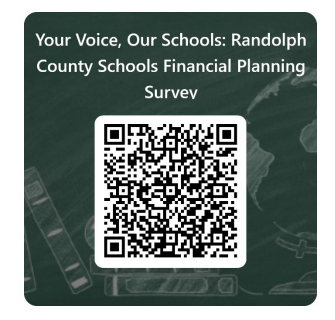
Randolph County Schools has created an initial community survey to gather your feedback as we consider whether to pursue a bond, a levy, or both in the future. Your voice will help guide the next steps in our planning process. The online survey is available at https://forms.office.com/r/vqdVsGzW5W and can also be accessed using the QR code.
Your participation is essential. By working together, we can build a strong and sustainable future for every student in Randolph County.